I haven’t written about bike commuting in a while. Given its growing popularity, particularly in urban areas, I thought I’d share some of my tips on equipment for year-round commuting. Spring and summer bike commuting don’t typically require any special equipment, beyond maybe a light jacket on cool spring days and rain gear if there’s a downpour. While it’s nice that no additional equipment is needed, riding in warm weather is fraught with other difficulties. People often ask me in the winter how I can stand to ride in the cold. I always tell them I would much rather ride in the winter than in the summer. If you dress properly in the winter, you can always be comfortable on your bike. But in the summer, even if you were to ride naked, you’d still arrive at work a hot sweaty mess. There is no way to get around it, although using panniers to stash your gear as opposed to wearing a backpack or shoulder bag does boost the comfort level. Summer riding usually also necessitates a change of clothing at work. You’re forced to ride in shorts and t-shirts, which adds extra time to the start and end of your day, not to mention extra weight to your bag.
After years of bike commuting in all kinds of weather, I can now look at the temperature and precipitation outside and know instantly how to dress. After much trial and error, I’ve narrowed down my equipment to the bare essentials. I’m sharing my list below. Cycling equipment is absurdly overpriced, and unfortunately not all of it is good quality. When possible, non-cycling specific equipment can be used for economic reasons. That said, certain cycling-specific gear is either a real necessity or at the very least an added convenience. Keep in mind that these tips are for cycling in the Mid-Atlantic region of the U.S. (chiefly during cold weather since as noted above warm weather does not require much in the way of additional gear). Also, everyone is different. For example, I know that I need to wear a skull cap that covers my ears in temperatures below 55 or my inner ears will start aching. I also have very little fat on my fingers so my hands are particularly susceptible to the cold. These are the types of things you discover about yourself after long periods of year-round biking.
Note: all temps listed are in Fahrenheit.
Insulated socks– Warm socks are essential. We lose the majority of our body heat through our feet, hands, and head. I typically wear them when temps drop below 40 or so. I’m a vegan so I don’t wear new wool. If you scout around you can find warm non-wool socks. If you don’t have ethical issues with wool, though, you can’t beat it for warmth. Get enough pairs that you can make it through a full week of cold weather commuting without doing laundry.
Bottom base layer– I wear a base layer under my work pants when temps drop below freezing or, if I’m wearing thin dress pants, below 40 degrees. I’ve found that long underwear is not worth skimping on when it comes to quality. Discount outdoor gear outlets like Sierra Trading Post are good places to look. I found some nice lightweight pairs on sale and stocked up. As with socks, make sure you have enough pairs to get through a full week. And don’t put them in the dryer! They may shrink and it will shorten their lifespan.
Top base layer– With winter riding, layering is key. It’s often a lot colder in the morning than in the evening. You want to be able to adapt so you remain comfortable. Underneath my outer jacket, I wear an old Pearl Izumi winter zip-up jersey that ML found cheap in a thrift store. I wear this when temps are below 40. If it’s warmer in the evening I stash it in my bag and just wear my outer jacket. This does not have to be a cycling-specific piece of clothing. Any kind of lightweight and close-fitting insulated top layer should work.
Jacket– I have two jackets that I alternate between for bike commuting (I also have a rain jacket that I use–more on that later). One is a very lightweight cycling windbreaker that zips up into itself and even has a belt you can use to carry it around your waist when out on a long ride. This is probably my favorite piece of gear. It’s so versatile. The sleeves even zip off! In my opinion, it’s worth spending some money to get something like this (Nashbar and Performance are two good places to look for discount and clearance cycling gear; best time to buy is near season-end). I wear this probably 75% of the time I need an outer layer for any outdoor activity, not just cycling. It works on cool spring and autumn days on its own and can be paired with my insulated jersey for colder days.
My other jacket is for the coldest days, typically below 35 or 40. It’s not cycling-specific and was not very expensive. I bought it at an outdoor store. It’s got an attached hood and it both zips and snaps up the front. It zips all the way up and, with the hood, covers my neck with plenty of breathing room. It’s not waterproof and it’s only slightly more insulated than my windbreaker, but it’s a little longer and works really well as an outer layer for winter riding. I also use it for winter hiking, dog walking, etc.
Head coverings– I have two head coverings that I use. One is a lightweight neoprene skull cap that I use three seasons of the year, any time the temps are below 55 (see note above about my ear problems). The other is a fleece balaclava that I use in one of two ways. When it’s below 35 or so, I’ll wear it around my neck to keep my neck warm and have it available to pull up higher over my face if needed. When it gets down into the mid to low 20s I’ll wear it as intended, pulled up over my head in combination with the skull cap. These two items don’t need to be cycling-specific gear, but make sure that they will fit under your helmet before buying.
Gloves– During winter riding, keeping your hands warm is one of the most important considerations, and the hardest to accomplish. Finding the right gloves for cold weather riding took me a very long time. While some people can get by with just wearing regular insulated winter gloves, this is one piece of gear that I always purchase cycling-specific. I currently have two pairs of gloves: one lightweight pair for 3-season riding in temps below 50 or so, and one insulated pair for deep winter cold riding. I’ve had a harder time finding a lightweight pair that I’m happy with. They always seem to fall apart much faster than their price tag should allow for. Last year I bought a new pair and sprung for Giros, thinking they’d be better, and they started falling apart before the year was out. What you’re looking for in this type of glove is adequate padding on the palms, breathable fabric on top, and sufficient wrist coverage. Most have some type of Velcro wrist closure. Examine this closely to see if it’s sewn well; it’s a common spot for gloves to fail. Also, if you have no qualms about using leather products, gloves with leather palms will probably last much longer than the synthetic crap I’m forced to buy.
My deep cold weather gloves are of the “lobster claw” variety. These keep two sets of fingers together on each hand, while the thumb is separate, with the idea being that your body heat will help keep the fingers warm. Since my fingers emit virtually no body heat, these only work for me within a certain temp range. Once it gets down into the upper teens, my fingers are still cold and aching when I get to work. Gloves are a rather personal piece of gear so you have to find what works for you. But if you are like me and your hands get cold easily, don’t skimp on this equipment.
Rain jacket– I bought a relatively inexpensive rain jacket from an outdoor store. It’s not just for cycling; I use it for any occasion where I’m out in the rain. Make sure it is waterproof, not just water resistant. There is a big difference, believe me. Lightweight ones are better for cycling because of the layering theory noted above. Versatility is key. You want to be able to use it in warm rain and cold rain (and sleet and heavy snow). Hoods are optional; mine zips on and off, which I like because the hood tends to block my peripheral vision while riding so I leave it off. By its nature, rain gear is not breathable, so look for a jacket that has vents. These are typically under the arm and zip open so you can at least get some air circulation while riding.
Rain pants– Waterproof pants are essential if you’re going to ride in the rain. Cycling-specific ones are helpful. I think mine were only about $20 from Performance. They have Velcro closures at the cuffs as well as zippers to allow for easy-on, easy-off over your shoes. There are also reflective bands at the cuffs. Like most other outerwear, rain pants should be lightweight, especially since by nature they are not breathable. It’s also easier to fit them in your bag when not needed. I also have a pair of insulated waterproof snowboarding pants that I found dirt cheap at a thrift store. I may have worn these once or twice while riding in the snow but they really aren’t necessary. If you’re wearing a base layer, work pants, and lightweight rain pants, you should be warm enough in most cold precipitation in the Mid-Atlantic region.
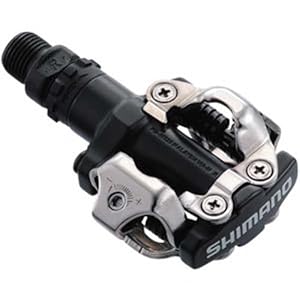
Shoes– Shoes are a very personal piece of gear. What type you wear also depends on what types of pedals you ride. I use toe cages on my pedals because I don’t like to mess with changing my shoes at work. I won’t discuss clipless pedals here since I don’t ride them to work, although I will note that there are plenty of cycling-specific shoe covering options for those who ride clipless. If you use cages, make sure whatever shoes you use fit into the cage. They need to be fairly narrow at the toe. I like skate shoes for bike commuting. Every 2-3 years I buy a nice pair of dressier Vans that I can wear at work. They have a hard rubber sole that is perfect for the type of pedals I ride and they are typically narrow in the toe. They are also made really well and hold up for a long time.
For rain and snow, you have a few options. Especially in rain, though, you need to consider how to keep your feet dry. Trust me, it really sucks to have wet feet for most of the day at work. One of my friends bought cheap rubber pull-ons that fit over his shoes and go a little higher to cover the ankle. These are nice because you can just fold them up and they fit nicely in your bag. I have a pair of galoshes that work the same way, except they’re too bulky to transport. I used them a few times for cycling but they don’t fit well enough in my toe cages and in general are too unwieldy for riding. I now mainly use them for shoveling snow and other snow-related activities. I like that they fit over my shoes, so if I’m going to a friend’s house or something I can take them off when I get there and still have regular shoes on. So buying them wasn’t a total loss.
Recently I bought a pair of Palladium boots, which is what the French legionnaires wear. They are ankle-height, lightweight canvas and rubber, and fit well in my toe cages. They’re not 100% waterproof (although Palladium does make leather ones that are); however, the rubber covers the entire toe and up to the start of the laces, which is the area where the majority of the rain hits my feet. They’re also professional enough to wear to work. So now I use these when it rains. As with most of my cycling gear purchases, I made a choice that is both versatile and comfortable; I can also wear these while birding, as well as in casual settings. I’ve missed having a casual pair of boots to wear so I’m really happy with these.
Note: These boots are not sufficient for riding in steady rain but work for intermittent showers, misty conditions, etc. Having canvas uppers, they will soak through in heavier rain, and even quicker if you ride without a full front fender. However, they do dry fast. It’s also a good idea to keep a spare pair or two of socks at work just in case. Even if your shoes get wet, changing into dry socks can make a significant difference in comfort. Another tip: I have found that the fastest way to dry out shoes is to use newspaper. Crumple up as many balls of it as you can fit inside each shoe. The newspaper quickly absorbs the moisture, thus drying out the inside of the shoe. Replacing the newspaper at least once during the process can speed up the drying time. The newspaper can still be recycled as usual. Depending on how paper recycling is collected where you live or work, you may need to flatten it out first and allow to dry before bundling for pick-up.
That’s about it as far as clothing. To recap: dress in layers; make sure your head, feet, and hands are appropriately protected; acquire lightweight waterproof gear for rainy days; and try to purchase versatile gear that you can also wear in other everyday situations.
2014 Update
I recently started riding BMX-style pegged platform pedals for commuting and I love them. I can’t sing their praises enough. This has significantly freed up my choices in footwear, which previously have been limited. Platform pedals became an option for me because after nearly a decade of commuting on a fixed gear bike, I have now switched back to riding geared. Those who ride fixed know that it’s unwise to ride without pedals that keep your feet secure, either through the use of clipless pedals or toe cages. But now that I’m riding geared again, it’s not an issue. It’s still been a very long time since I rode platforms (probably since BMX riding as a kid) and I am giddy with the freedom they give me. These Redline pedals are the ones with replaceable stainless steel pegs, which serve to keep your feet from moving around. They work really well at that.
As I wrote above in the original post, finding shoes to fit in toe cages is always difficult, especially for wet weather riding. Shoes also tend to get chewed up pretty fast, especially when using metal cages. On the other hand, the platform pedals only come in contact with the soles of the shoes, which keep the uppers of the shoes in better shape over a longer period of time. They also allow for use of rubber overshoes or other bulkier waterproof footwear during wet weather riding. I’m stoked about no more struggles to get my boots in and out of the cages. While the Palladiums I mention above did fit in the cages, it was not always a flawless experience to ride in them. Not having to think at all about where to place my shoes makes a big difference in enjoyability of my commute.
I’m now riding a 1986 Schwinn High Sierra mountain bike on my 8-mile round trip commute. I bought it to use as a winter commuter, but I like it so much I may ride it year-round. It’s not exactly light compared to my fixed gear (an old steel Trek road frame), but it’s still surprisingly fast and absorbs the shock of the many road hazards along my ride much better than the Trek did. Plus I can more easily hop curbs when necessary. I’d always heard that these old mountain bikes make excellent commuter bikes, and now I know why.
(Note: This post is consistently the most visited page on my site, which I find amusing considering how infrequently I write about bikes on here. But I also find it very encouraging that so many people are obviously either already commuting year-round or considering it as an option. Keep riding! And feel free to leave comments or questions. I’m always happy to talk bikes.)


 s. d. stewart