

Streamside Attraction No. 1

Ebony Jewelwing

Ebony Jewelwing

Ebony Jewelwing
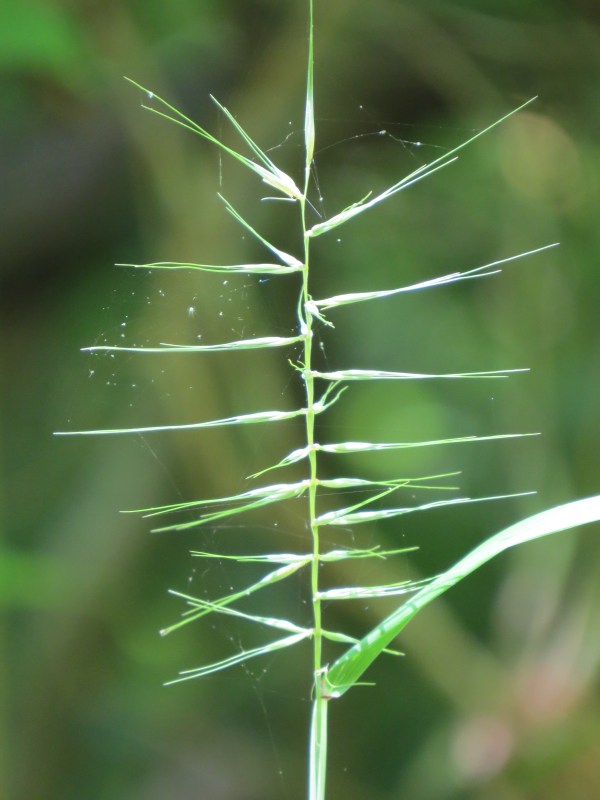
Streamside Attraction No. 2

Wood Turtle

Wood Turtle
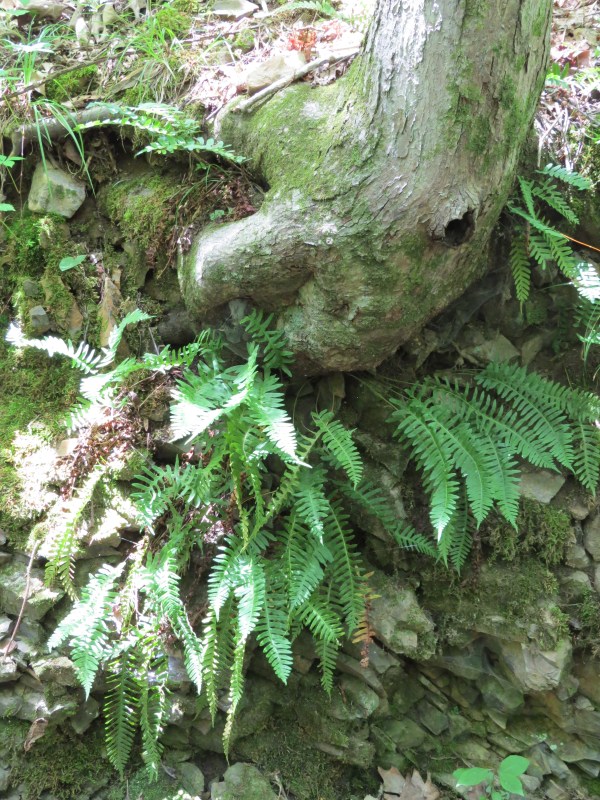
Streamside Attraction No. 3
Streamside Attraction No. 1
Ebony Jewelwing
Ebony Jewelwing
Ebony Jewelwing
Streamside Attraction No. 2
Wood Turtle
Wood Turtle
Streamside Attraction No. 3
Posted by sean on July 7, 2016
https://sd-stewart.com/2016/07/07/life-along-a-west-virginia-stream/
Some friends purchased a cabin and 15 wooded acres in the North Carolina mountains so a visit was in order. On Saturday we hiked up Max Patch Mountain, a bald mountain in Pisgah National Forest that was cleared for pasture in the 1800s. The Appalachian Trail crosses the top, where lucky hikers are afforded dreamy views of the Great Smoky Mountains to the southwest. Off to the distant west rise the dark ridges of the Black Mountains.

The trail to paradise.
And then there is the reward…

The Great Smoky Mountains seen from the top of Max Patch Mountain in Pisgah National Forest, North Carolina.
Such beauty is all the more poignant when shared with old friends.

A/T on the A.T.
Farley was beside himself with joy for the entire trip.

Farley in his element, bounding through the tall grass on top of Max Patch Mountain.
There were also non-mammals enjoying the outdoors.

A Common Buckeye butterfly alights on one of the plentiful blackberry bushes growing along Max Patch Trail, Pisgah National Forest, Hot Springs, NC.
Back at the cabin, we cooled off in the creek.
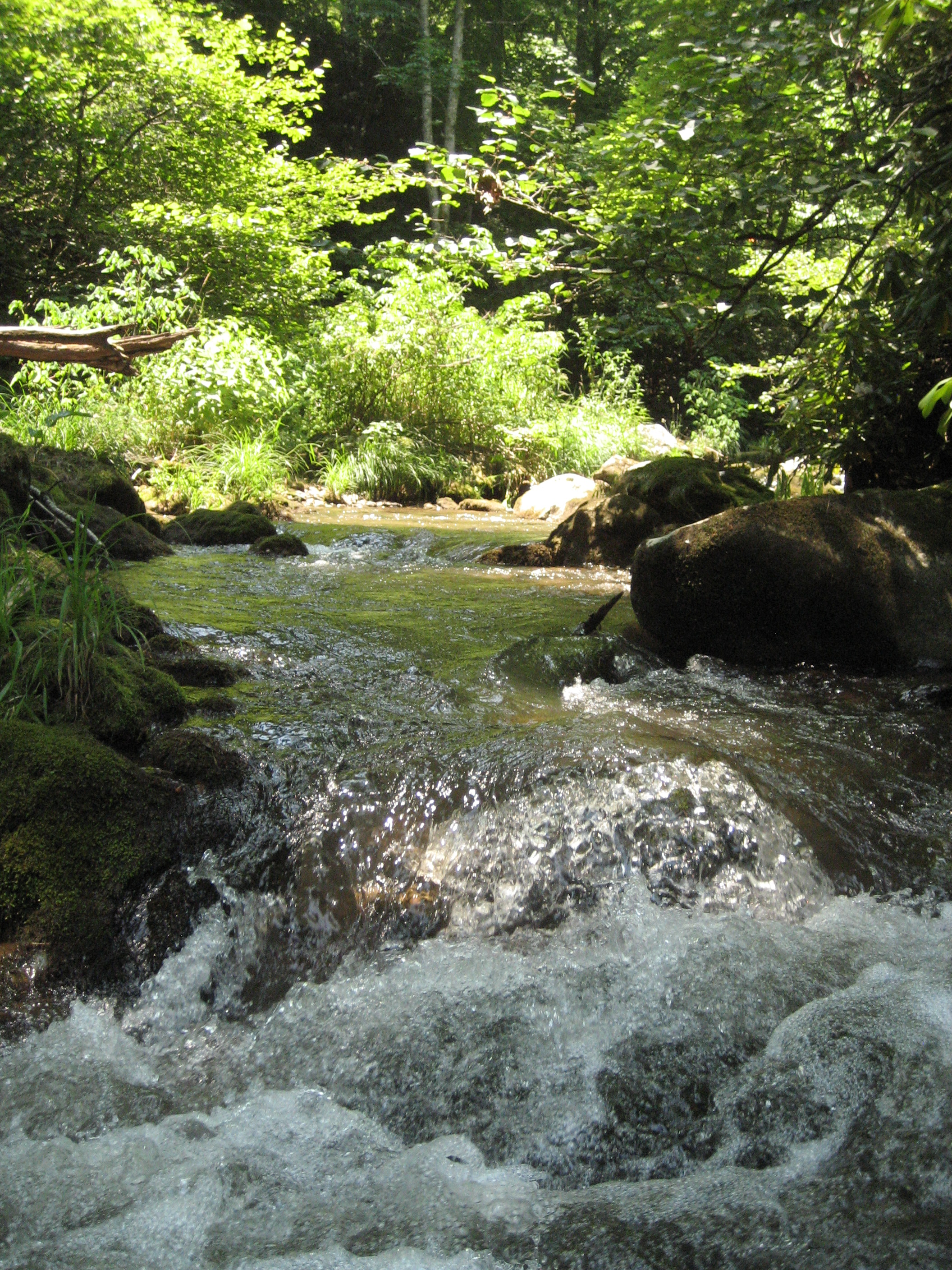
I walked up the middle of the creek and found damselflies consorting with each other.
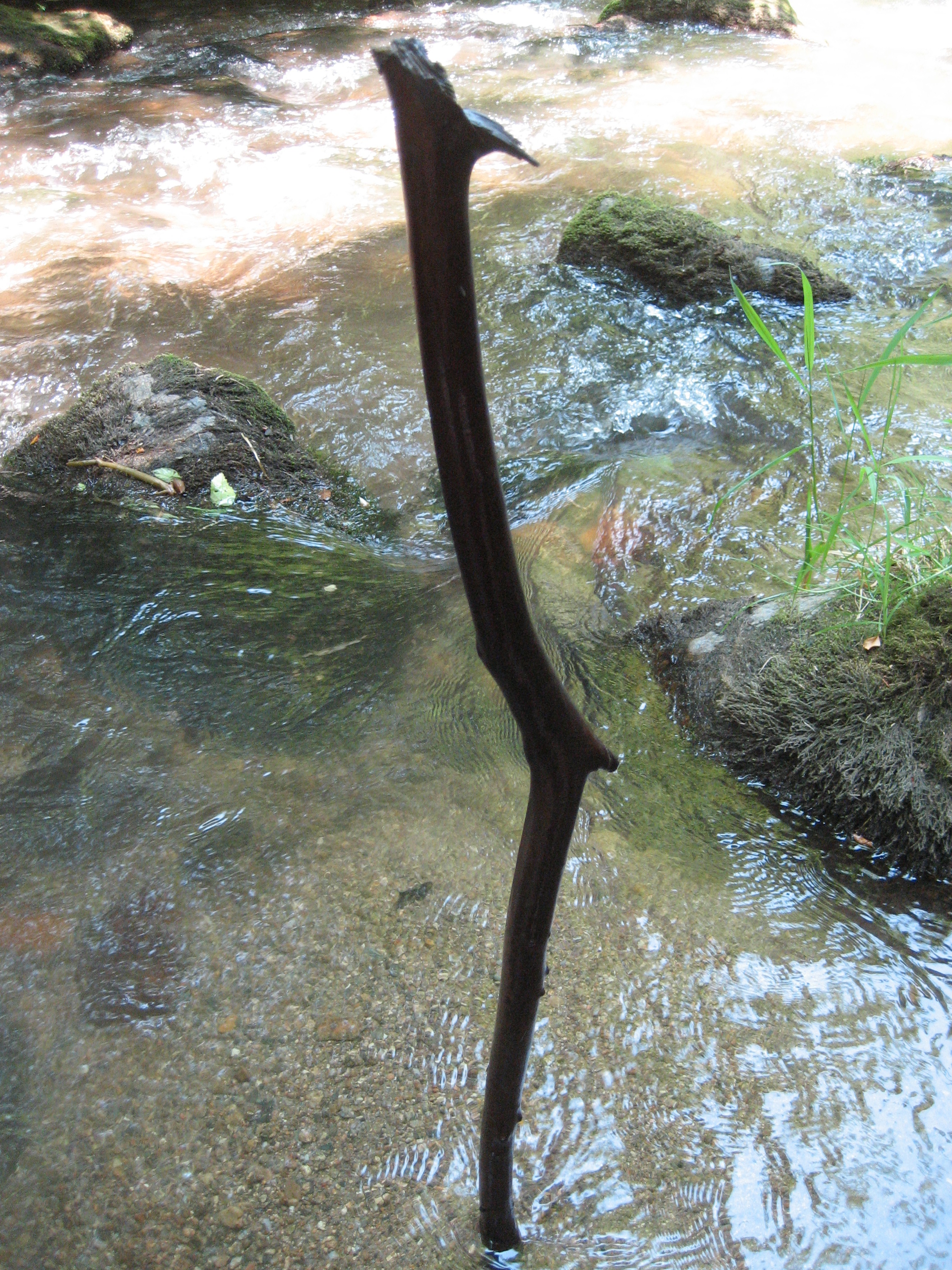
My walking stick used for navigating the creek.

For some reason this little sun-dappled tableau struck me. I don’t think it comes across in the photo, but it was the sort of scene into which you wish you could miniaturize yourself for the purpose of better enjoying it.
And here is where we retired for eating, sleeping (although some of us camped outside), and reading during the heat of the day.

Farley exhibits signs of extreme boredom outside the cabin.
Posted by sean on July 4, 2012
https://sd-stewart.com/2012/07/04/escape-to-hot-springs/
Yesterday I rode my bike to Lake Roland, a favorite Friday activity for several years. As always, I entered through the pine barrens section of the park. This unique area speaks to me; the sweet pine fragrance in the air and the low volume of human traffic combine to make an ideal haven for this solace-seeking pilgrim.
Here is the beginning of the trail leading into the pine barrens:

I have been paying more attention to the abundant insect life while out in the woods. I don’t know if the Odonata species (dragonflies and damselflies) this year are more prolific but they’re catching my eye more than usual. I tried to capture a few shots before my camera’s battery died. The photos are unfortunately not so clear because I digi-binned them (i.e. used my point-and-shoot through binoculars). It’s incredibly difficult to keep my camera hand steady while shooting through binoculars. I would love to get a nicer camera, but that’s going to have to wait. There are 177 confirmed Odonata species in Maryland, and I can now identify two of them. I have a long way to go, but plenty of time.
Note: there are a few basic differences between dragonflies and damselflies. In general, damselfly bodies are narrower, while dragonfly bodies are thicker. Most damselflies also fold their wings over their bodies when perched while dragonflies keep them spread out. Damselflies also have eyes that are clearly separated, while dragonflies have eyes that are close together, and typically meet in the middle. Of the two species below (the first two photos are male and female of the same species), can you tell whether they are damsels or dragons? No cheating with Google, either…
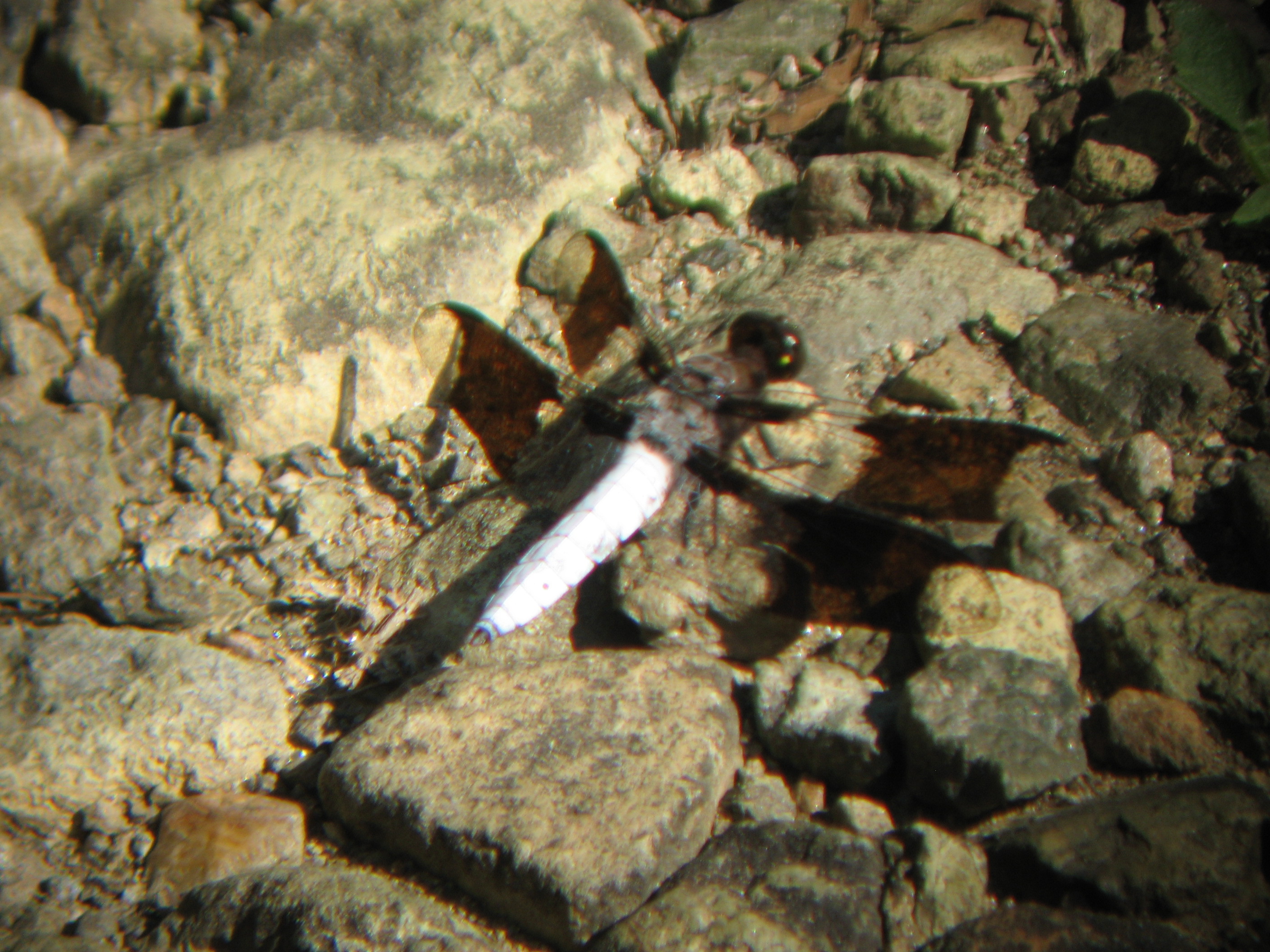
Common Whitetail (Libellula lydia), Male, Lake Roland, Baltimore County, MD

Common Whitetail (Libellula lydia), Female, at Lake Roland, Baltimore County, MD

Ebony Jewelwing (Calopteryx maculata), Male, at Lake Roland, Baltimore County, MD
Posted by sean on June 16, 2012
https://sd-stewart.com/2012/06/16/pine-barrens/

 s. d. stewart